"AI bald filter" and "bald filter" get used almost interchangeably, but they point at two different pieces of technology that behave very differently once you actually try them.
Two different jobs
A real-time AR lens (the Snapchat/TikTok style) has to track your face continuously through a live video feed - head position, angle, lighting, all recalculated dozens of times per second. It's built for playing with in the moment, in front of a camera.
An AI photo generator takes a single photo you already have, processes it once, and returns a new image. No live tracking, no video feed - just one photo in, one photo out.
Where each one holds up
The live lens wins on spontaneity - point your camera and you see it instantly, no upload required. But that speed comes at a cost: it often glitches at extreme angles, looks flat under lighting it can't fully account for, and can't be applied to a photo you already took.
The AI generator is slower by design - you upload, wait a few seconds, get a result - but that extra processing time is spent getting the hairline, skin tone, and lighting to actually match the rest of the photo. It also works on any photo you already have, not just what's in front of your camera right now.
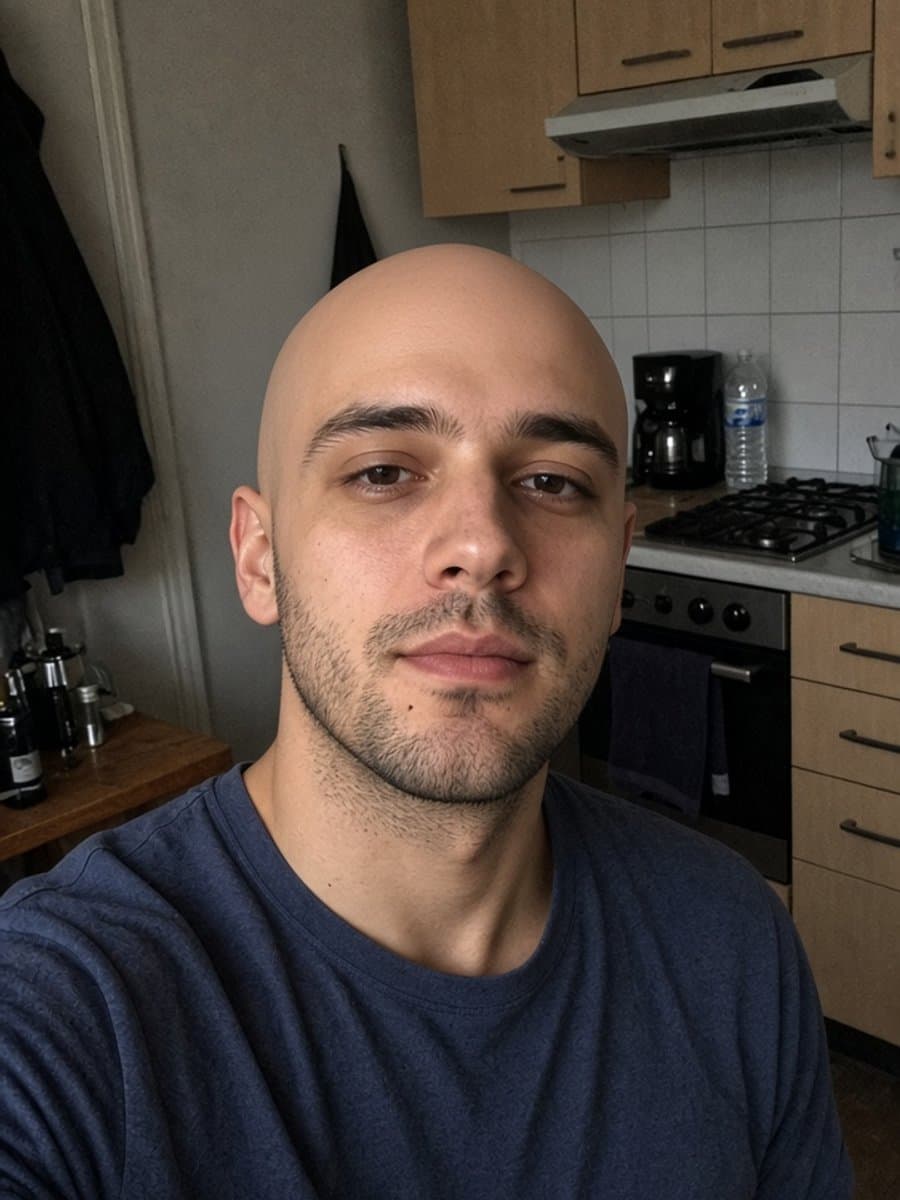
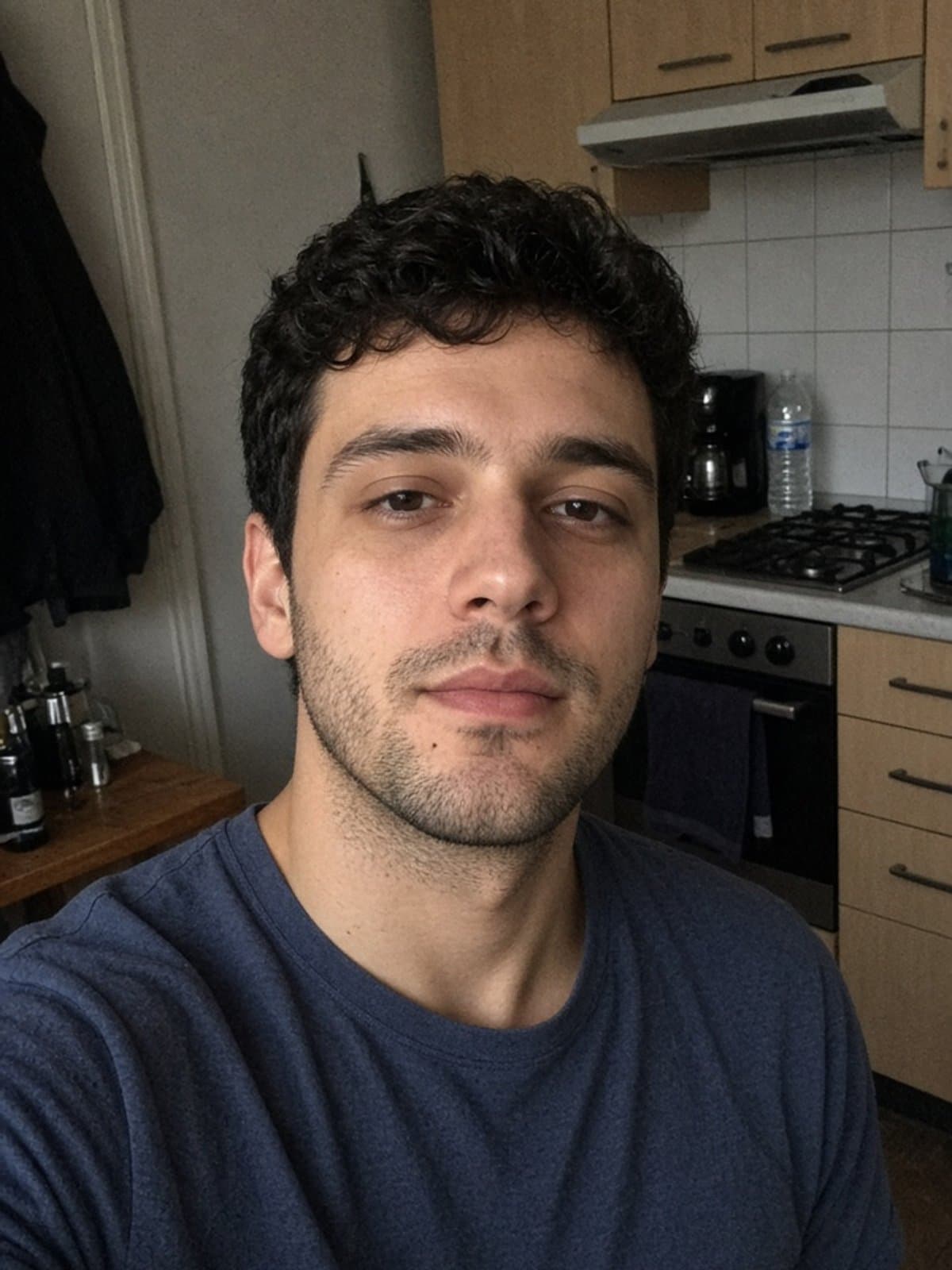
Try instant bald on your own photo
Try it freeWhich one you actually want
If you're playing around live with friends in the moment, the camera lens is more fun in the moment. If you want one specific photo that looks convincing enough to send, post, or use for a prank - especially a photo you already have saved - the AI route is the better tool for that job.
For how a specific app's version stacks up, see our look at FaceApp's bald filter, or check whether Snapchat's lens is live right now.